
Cancer Screening
What is Gynaecological Cancer Screening?
Preventive Gynaecological & Breast Cancer Screening is the most impactful investment a woman can make in her long-term health. Most reproductive tract malignancies—particularly cervical cancer—develop slowly over many years through pre-cancerous cellular mutations that show zero early warning signs or pain.
At Dr. Deepika Lalwani (Nagwani)'s Clinic in New Kalyani Nagar & Wadgaon Sheri, Pune, we provide comfortable, confidential, and evidence-based preventive screenings. Led by Dr. Deepika Lalwani (MBBS, DGO Mumbai) with over 10+ years of dedicated clinical experience, our practice offers gentle Pap smears, HPV DNA molecular tests, clinical breast exams, and ultrasound assessments in a reassuring environment.
All screenings are performed directly by Dr. Deepika Lalwani strictly by prior appointment, ensuring complete privacy, high sterilization, and zero waiting room stress.
Pap Smear vs. HPV DNA Molecular Testing
Both tests use a quick cervical swab during a pelvic examination, but they analyze different biological indicators to safeguard your health.
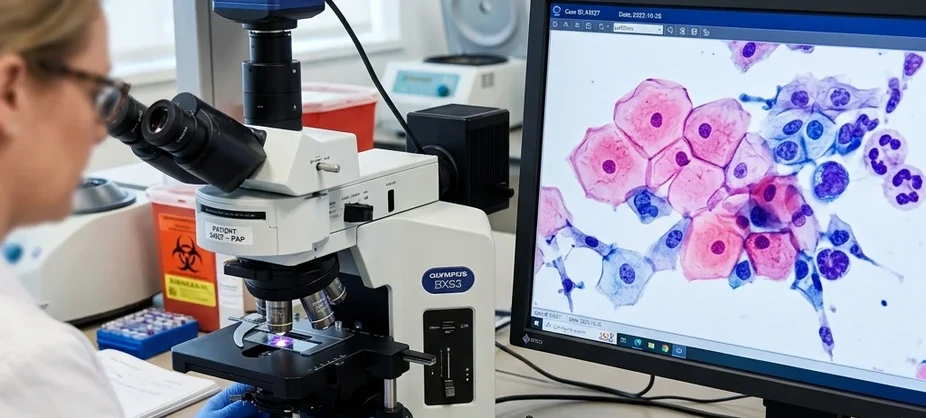
Pap Smear (Liquid Cytology)
Cellular Morphology • Cytology
Detects abnormal, pre-cancerous dysplasia in cervical epithelial cells.
Microscopic evaluation of stained cells on liquid cytology slides.
Recommended every 3 years for women aged 21 to 29 years.
Identifies cell changes early before they progress into invasive lesions.
HPV DNA Molecular Test
Viral Identification • Molecular PCR
Detects high-risk oncogenic Human Papillomavirus strains (16, 18, etc.).
Automated DNA amplification (PCR) to isolate high-risk viral genetic material.
Recommended every 5 years for women aged 30 to 65 (ideally co-tested with Pap).
High sensitivity; flags viral risk years before visible cellular changes occur.
Screening Services We Provide
Comprehensive preventive evaluations to protect your cervical, uterine, ovarian, and breast health.
Liquid-Based Cytology (Pap Smear)
A gentle, painless cervical swab collecting epithelial cells to detect early pre-cancerous cellular dysplasia years before malignancy develops.
High-Risk HPV DNA Co-Testing
Highly sensitive molecular testing identifying oncogenic HPV strains (16, 18, 31, 45) that trigger over 90% of cervical malignancies.
Clinical Breast Examination (CBE)
Comprehensive physical palpation of breast and axillary lymph nodes to identify discrete lumps, fibroadenomas, and skin changes early.
Pelvic & Endometrial Ultrasound
High-resolution transvaginal sonography measuring endometrial stripe thickness and evaluating ovarian morphology for cystic or solid masses.
Our Pre-Procedure Preparation & Safe Guidelines
Follow these simple preparation steps to ensure optimal specimen collection and complete diagnostic accuracy.
Optimal Cycle Window
Schedule your screening appointment 10 to 14 days after the first day of your period for the clearest cytological cell visualization.
Avoid Intimate Products
Refrain from using vaginal washes, douches, contraceptive spermicides, or vaginal pessaries for 48 hours prior to your Pap swab.
Pelvic Rest Pre-Test
Avoid sexual intercourse for 24 to 48 hours before testing to prevent cellular distortion or obscuring mucus on the cytology slide.
The Cervical & Breast Screening Process
A comfortable, unhurried clinical screening completed in a matter of minutes during your routine consultation.
Every treatment and procedure at our clinic is performed with the highest standards of safety, compassion, and clinical expertise. Dr. Deepika Lalwani ensures each step of your journey is carefully monitored and optimized for the best possible outcomes.
Expert Guidance
From your initial consultation through recovery, our dedicated team is here to support you with personalized care, ensuring your comfort and peace of mind at every stage.
Step 1: Confidential Risk & Family History Audit
A private discussion with Dr. Deepika Lalwani reviewing family cancer history, lifestyle factors, and prior screening intervals.
Step 2: Gentle Specimen Swab & Clinical Exam
Using a soft cytobrush and lubricated speculum, Dr. Deepika Lalwani collects cervical cells in a quick, comfortable step lasting under 60 seconds.
Step 3: High-Precision NABL Lab Processing
Specimens are processed via liquid-based cytology and PCR molecular DNA profiling at accredited diagnostic pathology partner centers.
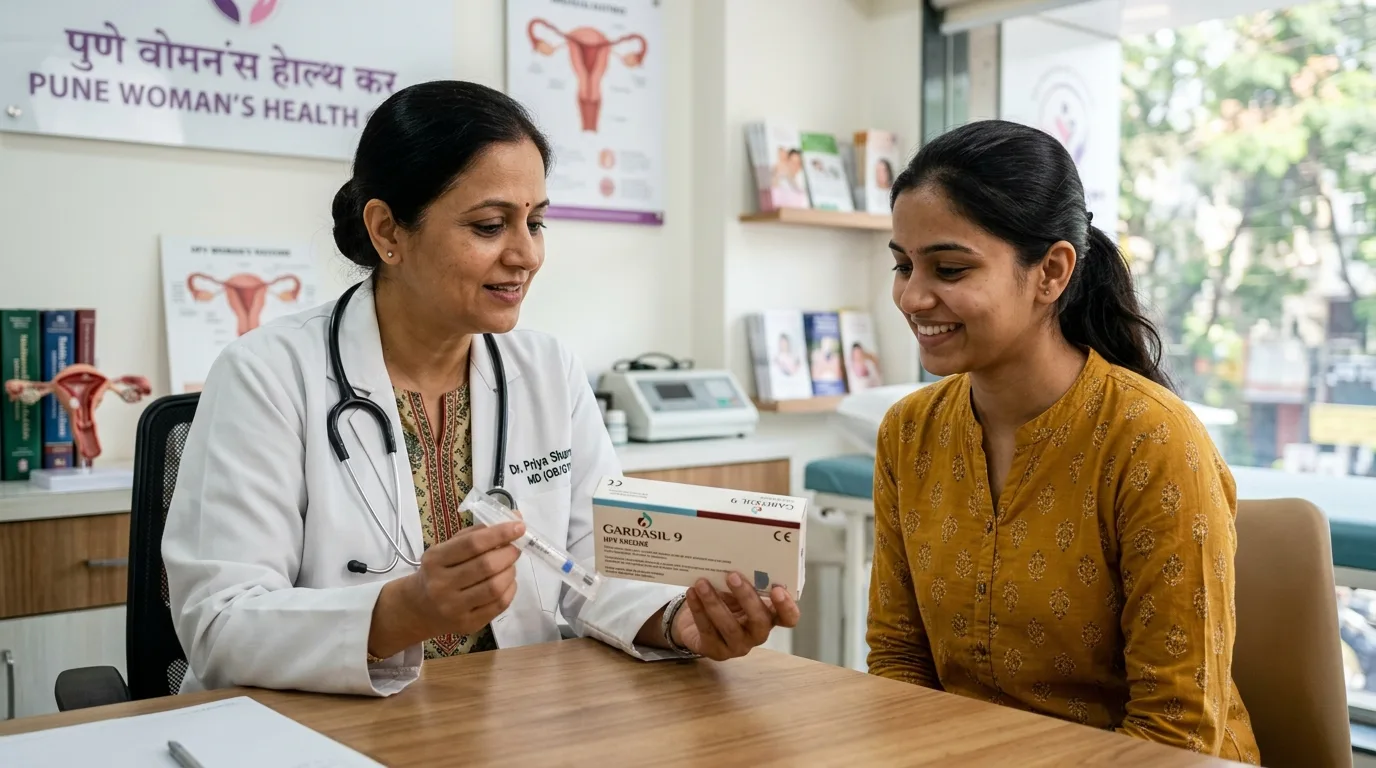
Step 4: Report Explanation & HPV Vaccine Guidance
Dr. Deepika Lalwani explains your results in detail and maps personalized follow-up intervals along with HPV vaccine advice.
Why Choose Dr. Deepika Lalwani's Clinic for Cancer Screening?
- Gentle, Painless Specimen SwabsDr. Deepika Lalwani (MBBS, DGO Mumbai) conducts swabs with extreme gentleness, ensuring minimal physical discomfort.
- NABL-Accredited Diagnostic PrecisionPartnering with premier NABL-certified laboratories for liquid cytology and high-risk HPV DNA PCR testing in Pune.
- Strict Prior-Appointment ConfidentialityScreenings are conducted in a tranquil, sterilized private room with zero lobby crowds and complete patient privacy.
Google Rating
Based on 105+ Reviews
Frequently Asked Questions
In Pune, a preventive gynaecological screening consultation with Dr. Deepika Lalwani is ₹600 to ₹800. Liquid-Based Cytology (LBC Pap smear) costs between ₹1,200 and ₹1,800. High-Risk HPV DNA molecular PCR testing ranges from ₹2,200 to ₹3,500, while a combined Co-Testing package (Pap Smear + HPV DNA) typically costs ₹3,200 to ₹4,800. A pelvic and endometrial screening ultrasound ranges from ₹1,500 to ₹2,500.
Most gynaecological malignancies—particularly cervical and early-stage ovarian or endometrial cancers—develop silently without noticeable pain or bleeding. Routine screenings like Pap smears and HPV DNA testing detect pre-cancerous lesions 5 to 10 years before they become invasive, making prevention nearly 100% achievable.
A Pap smear evaluates the physical shape and structure of cervical cells under a microscope to detect active dysplasia (cell damage). An HPV DNA test is a molecular PCR test checking for the presence of high-risk viral strains that cause cell damage. Combining both ('co-testing') provides the gold standard in diagnostic accuracy.
Cervical Pap smear screening should start at age 21, repeated every 3 years. From age 30 onwards, co-testing with an HPV DNA test every 5 years is recommended until age 65. Clinical breast exams should begin in your 20s, with screening mammograms starting around age 40 (or earlier if you have a family history).
No, absolutely not. An abnormal Pap smear simply indicates atypical cells or mild inflammatory changes (such as ASC-US or LSIL), often caused by a temporary infection. Dr. Deepika Lalwani will guide you on whether a repeat test, HPV check, or a simple magnifying examination (colposcopy) is warranted.
Screenings are scheduled strictly by prior appointment during dedicated morning and evening shifts in our New Kalyani Nagar clinic. This ensures a calm, private clinical environment without crowded waiting rooms. Contact our clinic line directly to book your visit.